Protecting Your Sandpit During Winter: Essential Cover Maintenance Tips
As temperatures drop across Australia, sandpits can quickly become vulnerable to weather damage, pest infestations, and hygiene concerns. Without proper preparation, moisture, debris, and vermin may degrade the quality of your sand and shorten the lifespan of your cover and structure.
To avoid unnecessary costs and ensure a safe play area is maintained year-round, steps should be taken to winter-proof your sandpit before the cold season sets in.
This guide outlines six key areas of focus to help you protect your sandpit during the Australian off-season — from pest prevention and sand quality to safety, maintenance savings, and long-term durability.
Preventing Pest Infestations
When temperatures drop, animals and insects begin to seek warmth and shelter — and an open, unprotected sandpit can be a perfect hideout. Cats, rodents, and insects may use the pit as a nesting ground or litter tray, contaminating the sand with faeces, bacteria, and parasites like roundworms or toxoplasmosis.
To protect children from exposure to disease and maintain your sandpit’s hygiene, it’s vital to prevent pest access altogether during winter.
- Use a custom made sandpit cover with secured edges or chain hems to block entry.
- Inspect weekly for signs of pests: droppings, paw prints, nesting debris, or burrows.
- Trim nearby vegetation and remove food waste to deter pest attraction.
Maintaining Sand Quality
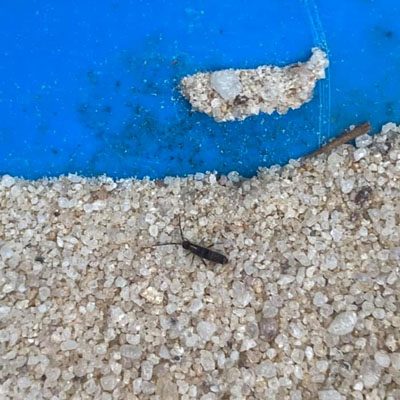
Sand exposed to constant rain, frost, and lack of sun during winter can quickly become compacted, waterlogged, or mouldy. Poor sand quality not only makes it unpleasant for play but also dangerous, as wet, heavy sand can hide debris or harden into clumps that can injure children.
To avoid sand degradation, proper drainage and ventilation must be maintained even when the pit is not in use.
- Use a breathable cover that repels heavy rain but allows airflow.
- Rake sand once every few weeks to prevent clumping and moss buildup.
- Rake sand once every few weeks to prevent clumping and moss buildup.
- Ensure the base of the sandpit has drainage holes or gravel underlay.
Regular winter upkeep reduces the need for full sand replacement in spring, saving hundreds of dollars in materials and labour — all while ensuring your sandpit remains soft, clean, and safe.
Reducing Maintenance Costs
Skipping maintenance during the colder months may seem like a time-saver, but neglect leads to more significant problems down the track. Sand degradation, pest infestations, cover damage, and structural rot can lead to costly replacements or repairs.
Maintaining your sandpit during winter spreads costs evenly and ensures readiness for spring play.
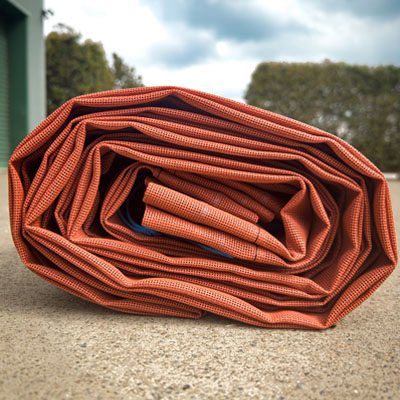
- Store your cover properly when removed (dry, rolled, and protected from UV exposure).
- Fix small tears or frayed edges immediately to prevent full cover replacement.
- Check timber edging or framework for early signs of water damage or rot.
Prevention is always cheaper than repair. A little time invested over winter can keep your sandpit in top shape and avoid the surprise of large expenses at the start of the new play season.
Ensuring Child Safety
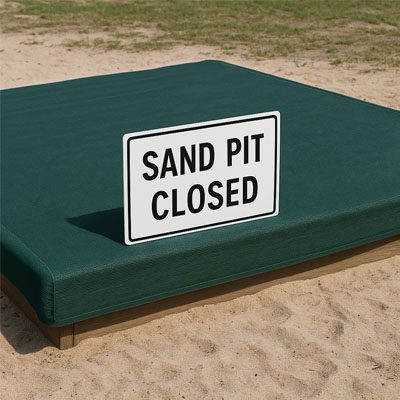
Unattended sandpits may become hazardous, especially if pets, pests, or weather have affected the play area. Contaminated or waterlogged sand, sharp debris, or even icy surfaces around the sandpit can result in injury. Children’s health and safety should be a priority, even during the months when the sandpit isn’t regularly used.- Clearly label sandpits as ‘closed for winter’ if in schools or shared environments.
- Keep the area around the pit clean to prevent slips and falls from muddy or icy surfaces.
- Conduct a full safety check monthly, including sand testing and structural inspection.
Protecting Against Weather Damage
Australia’s winter may not bring snow to most regions, but heavy rainfall, strong winds, and frosty mornings still pose a threat to sandpits. Without protection, sand can be eroded or contaminated, timber frames can warp, and fabric covers may degrade under UV rays or pooling water.
High-quality protection is crucial to avoid environmental damage that impacts usability.
- Choose UV-resistant, marine-grade mesh covers for breathable protection.
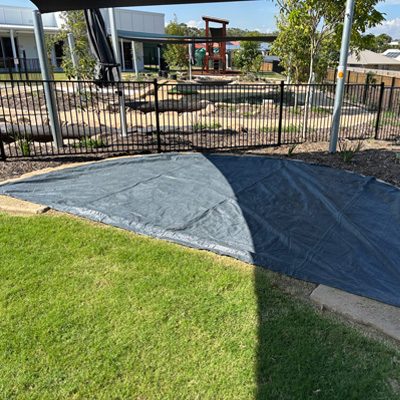
- Raise covers with slight elevation in the centre to allow water runoff.
- Secure all corners and edges to prevent wind displacement.
Investing in the right cover and proper tie-downs ensures your sandpit weathers the storm — literally. This small effort ensures your structure stays intact and extends the lifespan of your materials.
Enhancing Aesthetic and Curb Appeal
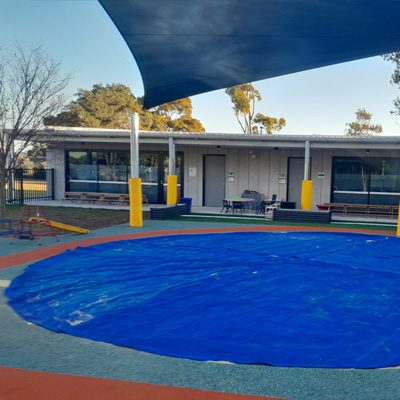
A well-maintained outdoor space communicates pride and professionalism, especially in educational or childcare settings. Even during winter, an orderly sandpit can enhance the overall look of your garden or playground. Neglected pits can quickly become an eyesore, devaluing the space and creating a negative impression.- Keep the sandpit covered with a neat, fitted design — no tarps or plastic sheeting.
- Regularly sweep or hose down the surrounding area.
- Consider installing decorative edging or signage that marks the pit during off-season.
National network of sand pit cover installers
Although our main office is located in the Sunshine Coast we service clients throughout Australia.
Our shade network spreads across Australia focusing on the following areas:
- Brisbane
- Townsville
- Sunshine Coast
- Central Queensland
- Gold Coast
- Sydney
- Newcastle
- Hunter Valley
- Gosford
- Central Coast
- Coffs Harbour
- Canberra
- Melbourne
- Adelaide
- Perth
- Darwin
- Hobart





In addition to these areas, we will service Australia-Wide and internationally to provide high quality service and products to all of our clients. Order your Commercial Sand Pit Cover today and experience our exceptional customer service.
